
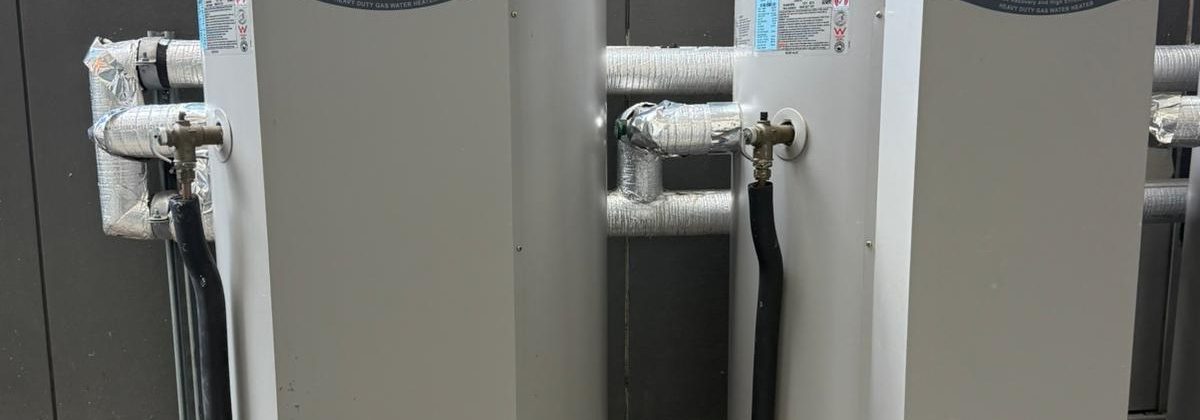
There is nothing quite as frustrating as jumping into what you expect to be a warm, relaxing shower only to be hit with a sudden blast of cold water halfway through. If this sounds familiar, you are definitely not alone. Across Australian homes, one of the most common plumbing complaints is that hot water keeps running out far too quickly – and the reasons behind it are more varied than most people realise. At Love’s Plumbing and Gas, we field calls about this exact issue regularly, and the good news is that in most cases, once the root cause is identified, the fix is very straightforward.
Your Hot Water System Might Simply Be Too Small
This is the most overlooked cause of why hot water runs out quickly, and it catches a lot of homeowners off guard. If your household has grown since the hot water system was first installed – more people, longer showers, a new washing machine running daily, your system may simply not have the capacity to keep up with the demand being placed on it.
Storage tank systems are sized based on expected household usage. A tank designed for two people will struggle badly when asked to supply four. Signs that capacity is your issue include:
- Hot water running out consistently after the second or third shower
- Running out faster during busy morning routines
- The system performing fine when the house is quiet but failing during peak usage
- A tank that feels warm but empties before everyone has showered
If this sounds familiar, upgrading to a larger unit or switching to a continuous flow system could solve the problem entirely.
A Failing Heating Element Is a Very Common Culprit
For anyone dealing with electric hot water problems, a faulty heating element is often right at the heart of the issue. Electric storage systems typically use two heating elements, one at the top of the tank and one at the bottom, and when either one starts to fail, the system loses its ability to heat water properly or maintain temperature over time.
A failing element doesn’t always mean zero hot water, it often means inconsistent hot water. You might get a decent shower in the morning but find the water barely warm by afternoon. Other signs include:
- Water that heats up very slowly or not at all
- Lukewarm water that never quite reaches a comfortable temperature
- Noticeable increases in your electricity bill without explanation
- The system running constantly without effectively heating the water
This falls squarely into the category of hot water system issues that require a licensed professional to diagnose and repair safely.
Gas System Problems Are a Different Beast Entirely
If your home runs on gas and you’re experiencing no hot water in house situations or inconsistent temperatures, the causes are slightly different but equally fixable. Gas hot water system problems typically stem from a few key areas:
- Pilot light failure – the pilot light goes out and the burner can’t ignite
- Faulty thermocouple – the component that keeps the pilot light running safely stops working
- Gas valve issues – the valve controlling gas flow to the burner malfunctions
- Burner problems – the burner itself becomes blocked or damaged over time
- Inadequate gas pressure – particularly in older homes with aging gas infrastructure
Gas systems are generally very reliable, but when they develop faults, the drop in performance can be sudden and significant. If your hot water system is not heating properly and you’re on gas, never attempt to investigate gas components yourself, always call a licensed gas fitter.
Sediment Buildup Inside the Tank
This is one of those causes of hot water loss that builds up silently over years and catches homeowners completely by surprise. Over time, minerals naturally present in Melbourne’s water supply, particularly calcium and magnesium, settle at the bottom of storage tanks and harden into a layer of sediment.
That sediment layer acts as an insulator between the heating element or burner and the water above it, forcing the system to work significantly harder to achieve the same result. Eventually, the system simply can’t keep up. Warning signs include:
- Rumbling, popping, or banging sounds coming from your hot water tank
- Water taking noticeably longer to heat up than it used to
- Reduced hot water volume despite no change in household usage
- Discoloured or slightly gritty water coming from hot taps
Regular flushing of your hot water tank – typically recommended every one to two years, goes a long way toward preventing this problem from developing.
A Faulty Thermostat Could Be Misleading You
Sometimes the issue isn’t how much hot water the system produces, it’s that the thermostat controlling the temperature has stopped reading accurately. A thermostat that’s set correctly but functioning poorly might allow the water temperature to drop well below the set point without triggering the heating cycle to kick back in.
This is a classic hot water system issues scenario where everything looks fine on the surface but the system is quietly underperforming. The thermostat on most systems is relatively inexpensive to replace, but it needs to be correctly diagnosed first, which is why professional assessment matters before any parts are replaced.
An Ageing System That’s Simply Past Its Prime
Hot water systems don’t last forever. Most electric storage systems have a lifespan of around eight to twelve years, while gas systems can push slightly further with regular servicing. If your system is approaching or past that age range and you’re experiencing common hot water problems with increasing frequency, the honest answer is often that the system is telling you its time is up.
Continuing to repair an ageing system can become a false economy very quickly – each repair buys a little more time but the underlying decline continues. At a certain point, investing in a new system makes far more financial sense than repeatedly patching an old one.
Don’t Put Up With Cold Showers Any Longer
Running out of hot water isn’t just inconvenient – it’s a sign that something within your system genuinely needs attention. Whether the issue is a failing element, a gas component fault, sediment buildup, or simply a system that’s reached the end of its working life, the right hot water repair services will identify the problem quickly and get things back to normal without unnecessary delay.
If your hot water keeps running out and you’re tired of guessing what’s causing it, Love’s Plumbing and Gas is ready to help. With experienced licensed plumbers and gas fitters who genuinely understand hot water system issues inside and out, Love’s Plumbing and Gas delivers fast, honest, and reliable service that gets your hot water running properly again – so the only surprise waiting for you in the shower is how good it feels to have consistent hot water back.
Call Love’s Plumbing and Gas today to book a hot water assessment.