
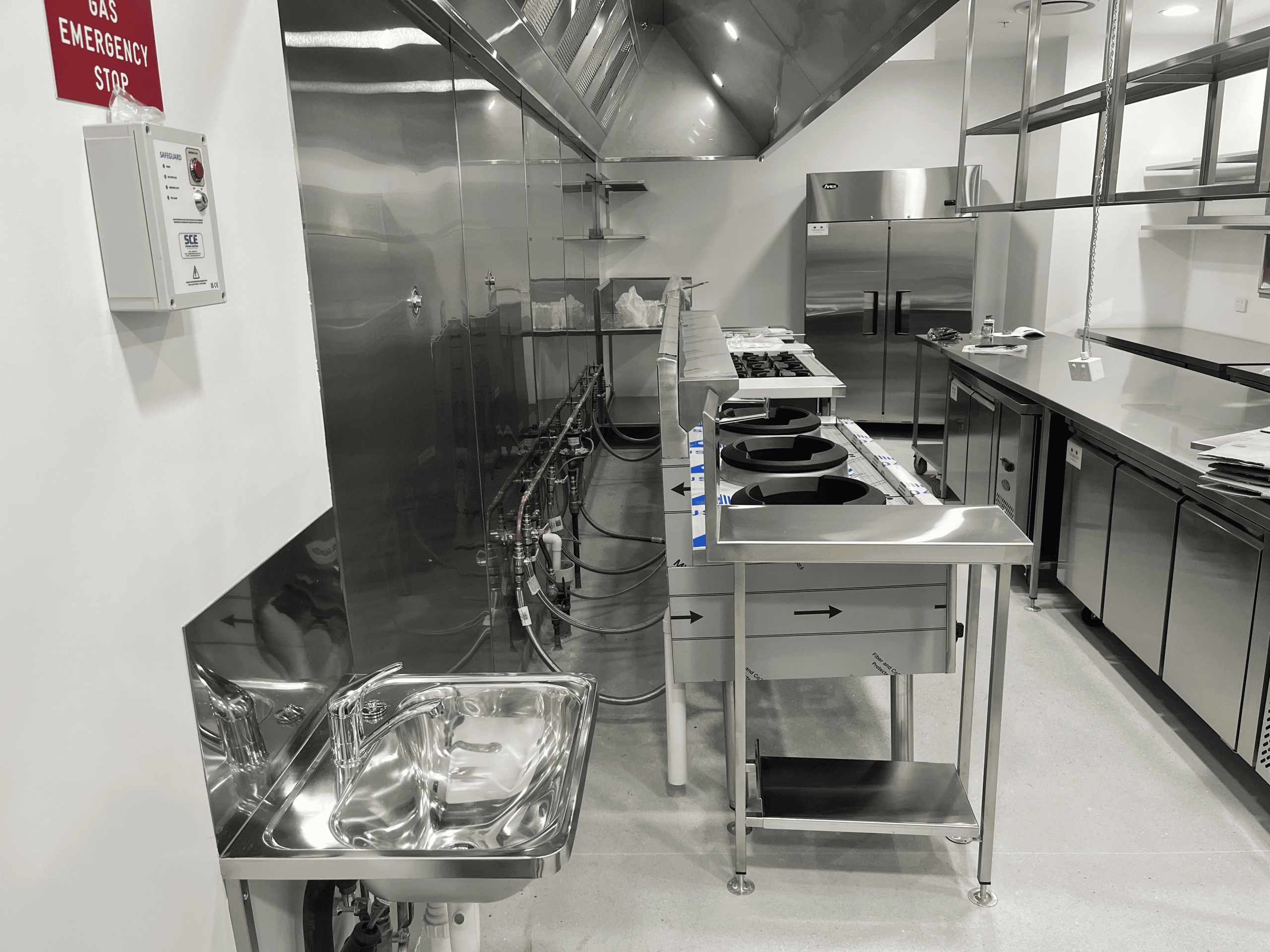
Gas is a reliable, cost-effective, and efficient energy source for both homes and commercial properties in Brisbane. From powering stovetops and water heaters to fueling heating systems, gas plays a vital role in our daily comfort and productivity. However, when not handled or maintained properly, gas can present serious safety risks.
At Love’s Plumbing and Gas, our mission is to help clients enjoy the benefits of gas—safely. Whether you’re a homeowner, landlord, or business owner, gas safety is your responsibility. In this article, we share the top five expert gas safety tips tailored specifically for Brisbane homes and businesses. These insights are based on years of on-the-job experience and the latest industry regulations.
Brisbane Expert Gas safety inspection Tips
Part 1: Prioritize Regular Gas Safety Inspections
Why Regular Gas Inspections Are Critical
One of the most common oversights we encounter is the failure to schedule routine gas safety inspections in Brisbane. Just like electrical systems or car engines, gas systems require periodic assessment to ensure they remain safe, efficient, and compliant with regulations.
In Queensland, if you own or operate a business that uses gas, or if you’re a landlord with gas appliances in your rental property, you’re legally responsible for ensuring these systems are maintained to a safe standard. Regular inspections identify:
- Gas leaks (including slow, silent leaks)
- Faulty or corroded pipework
- Improper ventilation
- Appliance malfunctions
- Carbon monoxide hazards
How Often Should Inspections Be Done?
- Homes: Every 1–2 years or before buying/selling a property.
- Rental Properties: Annually or between tenancies.
- Commercial Premises: Every 6–12 months depending on usage and appliance type.
At Love’s Plumbing and Gas, we offer comprehensive gas safety inspection services in Brisbane, using the latest diagnostic tools to ensure total peace of mind.
Part 2: Ensure Professional LPG Gas Installation
The Risks of Improper Installation
LPG (liquefied petroleum gas) is a popular fuel option in Brisbane, especially for properties not connected to natural gas lines. It’s commonly used for cooking, heating, hot water systems, and even commercial kitchens and workshops.
However, LPG gas installation in Brisbane must be approached with precision and care. Faulty setups—like incorrect regulator pressure, loose connections, or unventilated cylinders—can result in severe safety hazards including explosions or carbon monoxide poisoning.
Why You Must Use a Licensed Gas Fitter
A licensed and experienced gas fitter near me ca help to install, maintain, or repair LPG systems in Queensland. Professionals will:
- Select and size the system correctly
- Comply with Australian Standard AS/NZS 5601
- Ventilate equipment to prevent gas build-up
- Conduct leak testing post-installation
- Provide a compliance certificate
DIY or “cheap” gas installations may seem like a cost-saver initially, but the risks—and potential fines—far outweigh the benefits.
If you’re considering LPG gas installation in Brisbane, let our certified team handle it safely from start to finish.
Part 3: Know the Warning Signs of Gas Problems
Red Flags You Should Never Ignore
Gas-related issues often develop silently, with subtle warning signs that are easy to overlook. Recognising these early indicators can prevent dangerous outcomes. Common signs include:
- Rotten egg smell: A sulfuric odour indicates a gas leak (gas suppliers add this for detection).
- Pilot light issues: Frequent extinguishing, flickering flames, or yellow/orange flames instead of blue.
- Unusual appliance behaviour: Sooty marks, overheating, or noise changes.
- Health symptoms: Headaches, dizziness, nausea, or fatigue—especially when indoors for extended periods—may point to carbon monoxide exposure.
What To Do If You Suspect a Gas Leak
- Turn off the appliance and gas supply immediately.
- Do not use any electrical switches or ignite flames (e.g. candles, lighters).
- Open windows and doors to ventilate the area.
- Evacuate if needed.
- Call a licensed gas fitter like Love’s Plumbing and Gas for urgent inspection.
Never ignore the warning signs. Our team offers rapid response services for gas emergencies in Brisbane.
Part 4: Maintain Ventilation and Appliance Health
Why Ventilation Matters
Poor ventilation is a leading cause of gas-related incidents. Gas appliances—especially heaters, ovens, and water systems—consume oxygen and release combustion byproducts. In enclosed areas, these byproducts (notably carbon monoxide) can accumulate quickly and silently.
Every appliance must be ventilated as per manufacturer guidelines and Queensland regulations. This is particularly important in:
- Kitchens with LPG stoves
- Garages and workshops
- Commercial kitchens and cafes
- Older homes without mechanical ventilation systems
Don’t Neglect Regular Servicing
Servicing appliances is not just about performance—it’s about safety. Gas appliances should be professionally serviced every 1–2 years, or more frequently in high-use environments. Technicians will:
- Clean burner components
- Check for wear and corrosion
- Test CO emissions
- Replace faulty parts
- Reassess ventilation
Maintaining your system prolongs appliance life and helps catch safety issues early.
Part 5: Educate Staff, Tenants & Family Members
Gas Safety Is Everyone’s Responsibility
You might have the safest installation possible, but if your staff, tenants, or family don’t know how to use or respond to gas issues, your risk remains high.
It’s essential to educate all users of gas appliances about:
- Proper operation
- Ventilation requirements
- What to do in case of a leak
- How to shut off the gas supply
- When to call for professional help
Quick Tips to Share
- Never block air vents or place objects near gas appliances.
- Don’t tamper with or move gas cylinders on your own.
- If you smell gas—don’t ignore it.
- Always read and follow manufacturer instructions.
- Keep your gas fitter’s contact info handy.
At Love’s Plumbing and Gas, we’re happy to provide safety walkthroughs and printed checklists to help you, your family, or your staff stay informed and prepared.
Final Thoughts: Prevention Is Key
Gas systems, when installed and maintained properly, are extremely safe. But when neglected or misused, they can quickly become hazardous. The good news is that most gas incidents are entirely preventable with the right knowledge and a proactive approach.
Here’s a quick recap of the top gas safety tips for Brisbane homes and businesses:
- Book regular gas safety inspections in Brisbane with a licensed professional.
- Only trust qualified experts for LPG gas installation in Brisbane.
- Learn and act on the early warning signs of gas issues.
- Maintain proper ventilation and service appliances regularly.
- Educate everyone in the household or workplace on basic gas safety.
At Love’s Plumbing and Gas, we specialize in safe, code-compliant Residential and Commercial Gas Fitting solutions backed by decades of hands-on experience. Whether you’re setting up a new LPG system, upgrading an appliance, or booking a routine inspection, we’re here to help you stay safe—365 days a year.
Need Expert Gas Services in Brisbane?
Call Love’s Plumbing and Gas today for licensed gas safety inspections, LPG installations, repairs, and emergency support.