
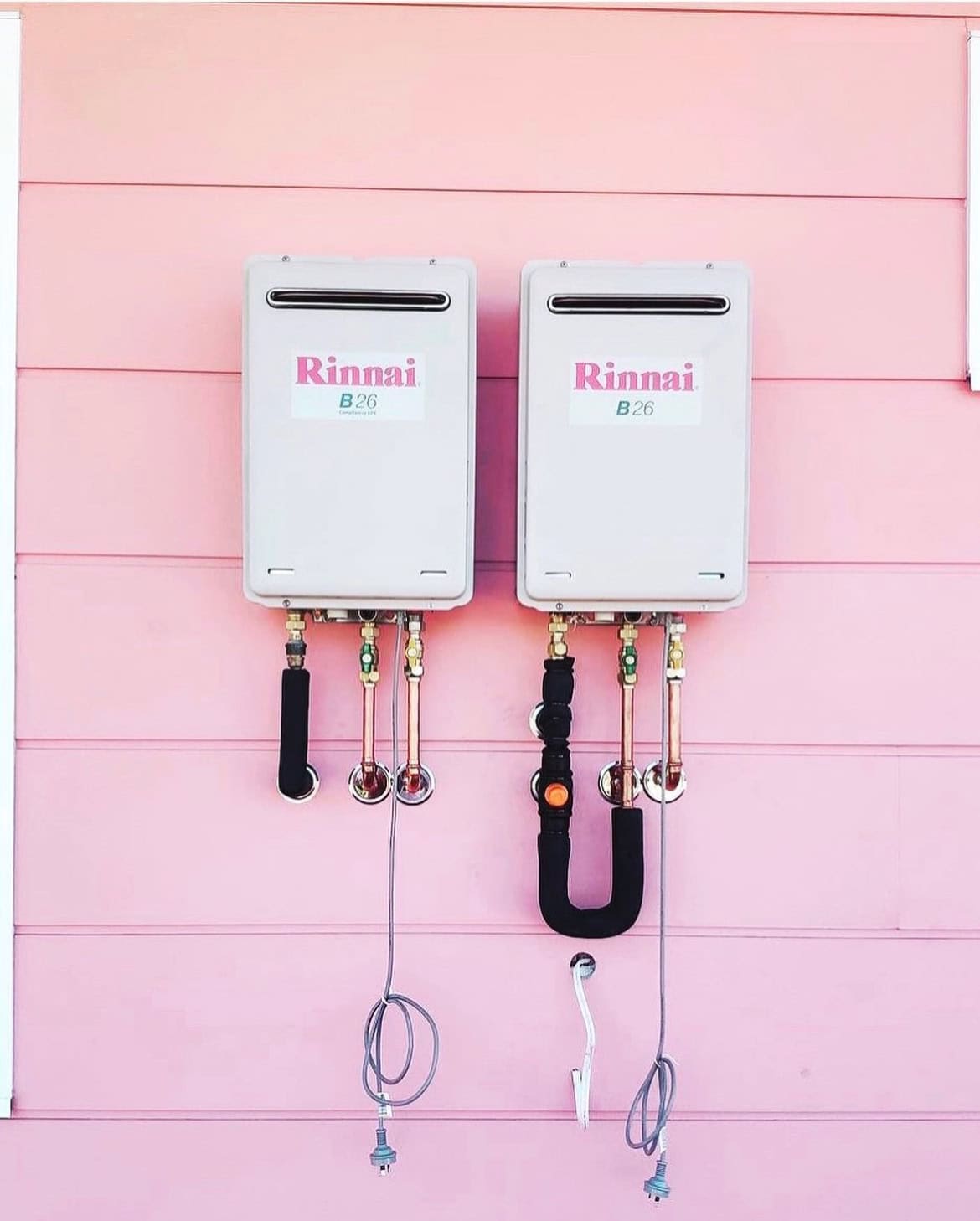
When it comes to choosing the right water heater for your home in Brisbane, two of the most popular options are gas and electric systems. Both have their advantages and disadvantages, but determining which is best for your needs depends on several factors including energy efficiency, installation costs, running expenses, and your household’s hot water usage. If you’re feeling torn between the two, don’t worry—we’ve got you covered! In this guide, we’ll walk you through everything you need to know about gas and electric water heaters, so you can make an informed decision that suits your lifestyle and budget.
Understanding the Basics of Gas and Electric Water Heaters
Before diving into the pros and cons of each system, let’s take a moment to understand how they work:
- Gas Water Heaters: These systems use natural gas or LPG to heat water. The gas burner heats the water in a tank, or in some cases, heats the water on demand (in the case of instantaneous systems). Gas water heaters are generally quicker at heating water than their electric counterparts.
- Electric Water Heaters: Electric models use electrical elements to heat the water in a tank. These systems are simpler in design, but they tend to take a bit longer to heat water compared to gas heaters. However, electric heaters can be more efficient in some cases, depending on your usage and electricity rates.
Gas Water Heaters: Advantages and Disadvantages
Advantages:
1. Lower Operating Costs
In Brisbane, where natural gas is widely available, gas water heaters are generally cheaper to run compared to electric ones. Gas is a more cost-effective energy source, so if you’re looking to save on ongoing energy costs, a gas system may be the way to go.
2. Faster Recovery Rate
Gas water heaters tend to have a faster recovery rate, meaning they can heat up large volumes of water more quickly. This is ideal for larger families or homes with higher hot water demands. If you often run out of hot water or have multiple bathrooms, a gas heater might be the more efficient choice.
3. Energy Efficiency
Gas heaters are generally considered more energy-efficient than electric models, especially when it comes to providing hot water in larger quantities. Gas-powered systems also tend to lose less heat through their tanks, which can make them a more reliable choice during the cooler months in Brisbane.
4. Reliability During Power Outages
Since gas water heaters don’t rely on electricity, they can continue to operate even during power outages. This can be a lifesaver, especially in Brisbane, where storm-related power disruptions can happen.
Disadvantages:
1. Higher Initial Installation Costs
Although gas water heaters have lower operating costs, the installation can be more expensive. A qualified gas plumber will need to connect the system to your home’s gas line, which can add to the overall cost. Additionally, if your home doesn’t already have gas connections, this could require a larger upfront investment.
2. Regular Maintenance
Gas water heaters require more regular maintenance to ensure they are functioning safely and efficiently. A gas plumber will need to check for gas leaks, ensure the burner is working properly, and perform periodic safety inspections. Neglecting this maintenance can result in inefficiency or even pose safety risks.
3. Space Requirements
Gas water heaters, especially the larger models, tend to require more space than electric ones. If your home is short on space, this could be a limiting factor when choosing a gas heater.
Electric Water Heaters: Advantages and Disadvantages
Advantages:
1. Lower Installation Costs
One of the biggest advantages of electric water heaters is the lower upfront cost. Installing an electric water heater is typically cheaper, and in homes that already have electrical systems in place, there’s no need for extensive alterations. If you’re on a tight budget, an electric system might be the most affordable option.
2. Simplicity and Ease of Use
Electric water heaters are generally simpler in design and easier to operate. There’s no need to worry about the complexities of gas connections or burner maintenance. If you’re looking for a hassle-free solution that requires minimal upkeep, an electric heater may be the right choice.
3. Compact Design
Electric models are often smaller and more compact than their gas counterparts. If space is a concern, an electric heater may fit better in smaller homes or apartments. Some models are designed for wall mounting, allowing for even greater flexibility.
4. Environmentally Friendly Options
With more focus on sustainability, many electric water heaters are compatible with solar power systems. By pairing your electric heater with solar panels, you can significantly reduce your carbon footprint and energy costs.
Disadvantages:
1. Higher Operating Costs
Electricity in Australia is more expensive than gas, which means that over time, an electric water heater can be more costly to run. For households that use a lot of hot water, the difference in running costs can be substantial. For this reason, electric heaters are better suited for homes with lower hot water needs or where energy efficiency isn’t the highest priority.
2. Slower Recovery Rate
Electric water heaters generally have a slower recovery rate compared to gas models. This means it may take longer for the water to heat back up if you’ve run out of hot water—something to keep in mind if you have a busy household with multiple people relying on hot water.
3. Dependence on Electricity
Electric water heaters are fully dependent on electricity, meaning you’ll lose access to hot water during power outages. In storm-prone areas like Brisbane, this could be a potential inconvenience during blackouts.
Factors to Consider When Choosing Between Gas and Electric
1. Your Hot Water Usage
Consider how much hot water your household consumes. Gas heaters are more suitable for larger families or homes that use hot water throughout the day. If your usage is minimal, an electric heater may be a more cost-effective choice.
2. Energy Prices and Availability
Check the cost of gas and electricity in your area. If gas is relatively cheap and accessible, it’s likely the more economical option for long-term use. If electricity is more affordable, or you have access to solar power, an electric heater might make more sense.
3. Installation and Maintenance Costs
Factor in both the initial installation and ongoing maintenance costs. Gas systems may have higher installation fees, but electric systems tend to cost more to run. Regular maintenance is also an important consideration for gas heaters to ensure safety and efficiency.
4. Space and Installation Requirements
Consider the space available in your home. If you’re limited on space or need a heater for a small apartment, electric systems are usually more compact and versatile. On the other hand, if you have the room and want a system that can provide high demand, gas could be the better option.
Conclusion: Which One is Right for You?
Ultimately, the decision between a gas or electric water heater will depend on your household’s needs, budget, and preferences. If you’re in Brisbane and need help making the best choice for your home, Love’s Plumbing has expert gas plumbers who can assist with both installation and maintenance of gas water heaters. If you opt for an electric system, we can also ensure it’s installed safely and efficiently.
Remember, whether you choose gas or electric, proper installation and regular maintenance are key to ensuring the long-term reliability and efficiency of your water heater. Reach out to Love’s Plumbing for personalized advice and professional service to ensure your home has the hot water it needs, year-round.
Feel free to contact us at Love’s Plumbing today to discuss your options and get a free quote on installing your new water heater!